I
When soft chartreuse from infant blooms imbues
Spring's waking world where life in freshest air
Garbs Winter's dismal barren boughs' despair
With springing grace, with tender care renews
Love's promise, whisp'ring sweetness in its dews;
Where violet's faery blossoms low down flair
Their treasures as a humble blessing there
'Mongst blades of grass, I'll drink in all Love's
views.
Now while rough winds in unsubdued deep roar
Tear all within this sphere with reckless ease,
Quite casting dead leaves and debris, the store
Of lost fall's remnants quite decayed, heart's pleas
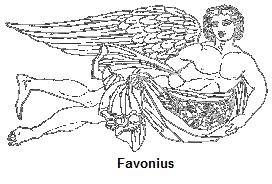
For dear Favonius' gentler ways implore
Return of better days, and wait his keys.
II
Heart's pleas for dear Favonius' gentler ways,
For Zephyr's darling tease in days more fair
Than these, where azure's welcome debonair
Greets longing eyes graced with Spring's soft
bouquets
Below: in red and yellow tulips' rays
Of sunny cheer; where daffodils 'non flair
Their cup-and-saucer frilly faces; where
The hyacinth in purple blushes, grey's
Decreed reign in the Winter's bitter chill
Ignores. Yet hope just whispers "wait out woes'
Grim scourge and cleave anon to promise; still
Recall and pray, aye cling to Truth as those
Who can't be shaken, come what may." This thrill,
This scanty thread I finger ere it snows.
III
This scanty thread I finger ere it snows.
And later while the cold air's full of white,
Fat, fluffy flakes, forget in that delight;
Yet not entirely though. The promise flows
Within my veins, a subtle strand that glows,
Aye, keeps alive. That slender cord of light
I nourish and e'er retain, fore'er in sight:
Life shall renew, aye Death, Love overthrows.
Through Winter's siege, then as it wanes I'll wait;
'Til grey and dreary gloom gives way to scenes
Of tender greens and fragrant pink, the bait,
Assurance of Life's wealth; the scents whose miens
Entice, reviving Love's sweet dance; the gate
To Spring's thrills hang on 'til's in my demesnes.
IV
The gate to Spring's thrills I'll hang on until
She blesses my demesnes, Favonius' lend
His milder touch in chartreuse green, and send
Those darling Zephyrs whisp'ring while the trill
Of courtship fills the air, and Love instils
His dear romance half subtly with a blend
Of sweet aromas traipsing 'round t'attend
Each golden waking moment with his frills.
And meantime I'll be dreaming of his store:
Those tender ways, those soft'ning sweets, th'attire
Re-clothing lost fall's scenes, I'll have before
My longing gaze. 'Til he returns t'inspire
To dulcet known refrains, aye ope's the door
To Life, I'll wait to drink, and stir desire.